For years, I thought the answer was to become leaner, more disciplined and closer to a perfect physique. The achievement was real, but so was the cost. That experience is a big reason I coach the person before I coach the program.
The heavier kid who wanted to change
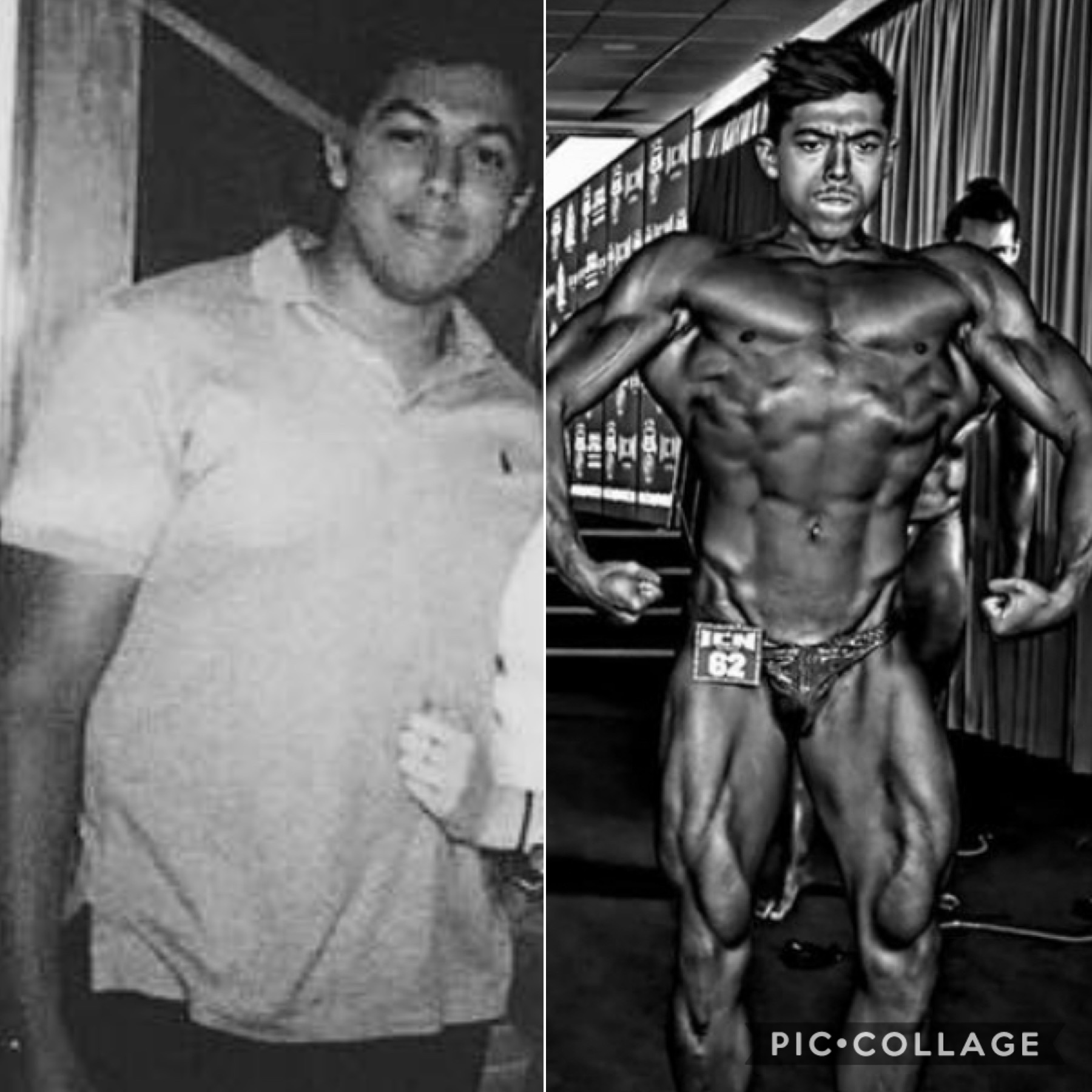
I grew up overweight. I played sport, but I was still one of the heavier kids in my class. Like many people, I learned early to connect how I looked with how I felt about myself.
From about 16 to 21, that desire to change became an obsession. I chased weight loss, bodybuilding and the idea of a perfect body. I went through repeated cycles of losing 15 to 20 kilograms, regaining it and deciding I simply needed to be stricter next time.
From the outside, that can look like a discipline problem. From the inside, it felt more like my worth rose and fell with the mirror.
Winning—and learning what the result could cost
At 22, I competed in natural bodybuilding and won my local junior division. I am still proud of the discipline it took and of what I achieved. I also learned that a successful result does not automatically mean the process was healthy.
I dropped from 90 kilograms to 72 kilograms in 18 weeks. Training and food took over. I had little energy for work, family or relationships, and after the show I experienced a difficult rebound and regained the weight quickly.
A result is not truly successful if the process leaves you less able to live the rest of your life.
That period changed how I think about coaching. A physique goal can matter deeply, but it is never worth asking someone to sacrifice their whole life.
Life is made of moving sliders
I now think of training, work, relationships and the rest of life as sliders. They move up and down depending on the season. Sometimes training can take more focus. At other times, family or work needs to come first.
That is not failure. The goal is not to hold every slider at 100 forever. It is to keep finding a workable balance without guilt, and to build habits you can return to when life changes.
The long game is to be fit, healthy, loved and capable at 100—not merely to look a certain way for 12 weeks.
Balance does not mean lowering the standard
KZPT is not anti-results. I am highly results-driven and I love the details of training periodisation, strength, body composition and physique development. I enjoy helping experienced gym-goers optimise a program and see what they can achieve when their relationship with training is healthy.
The difference is that I define the best result more broadly. It is not only a number on the scale or a six-pack. It is a fitter, happier, more confident person who understands what they are doing and can sustain it without needing a coach forever.
How that experience shows up in my coaching
If you are struggling to follow a plan, I will not automatically decide you lack discipline. I want to understand your schedule, stress, confidence, knowledge and the friction that keeps getting in the way.
Then we solve the problem together. The plan should fit the real person living it. Training should help you feel more capable—not more ashamed, dependent or afraid of an imperfect week.
Every choice towards a useful habit is evidence that you can back yourself. Over time, those choices become part of your identity: you become someone who trains and cares for themselves because that is simply who you are.
The takeaway
You do not have to hate your current body to care for your future one. Good coaching can pursue meaningful results while protecting the life those results are meant to improve.